Monday, September 4, 2017

Powerful Natural Ways For Balancing Your Blood Sugar

Thousands have been helped in fighting what is arguably their toughest battle-blood sugar problems-using natural approaches.

There has been tremendous success combining selected nutrients, healthy eating and regular exercise...but now the prospects are even better.

There are a ton of brand new supplements available and we're going to go through them here.


Supplements to Maintain Healthy Blood Sugar Levels Are Critical

Diabetes is a nutritional wasting disease. High glucose levels act like a diuretic and cause an immense loss of nutrients in the urine. People diagnosed with type 2 diabetes are most likely to be deficient in important water-soluble vitamins and minerals.

The medical professionals specializing in diabetes likely make no attempt to recommend supplements for lost nutrients, leaving their patients to suffer the inevitable consequences of nutritional deficiencies.

Secondly, nutritional supplements are required for certain nutrients work to support your ability to use insulin, which helps you maintain healthy blood sugar levels.

A minimum recommendation is a daily dose of a high-quality vitamin and mineral supplement. Studies have shown that a daily multivitamin reduces the incidence of infection and the number of sick days taken by patients with type 2 diabetes.


Healthy Blood Glucose Levels - Blood Sugar Support Supplements Found Here


When choosing a multivitamin make sure you are getting the minimum levels of the following nutrients that will have the desirable effect on your blood sugar levels. you may or may not need these individual supplemenst if you choose a multivitamine that has the proper levels. So you your homework.


B-Complex Vitamins

Vitamins B6 and B12 supports nerve health, critical for conditions related to diabetic neuropathy. Another B-complex vitamin that is necessary for both metabolism and growth is Biotin which is also involved in the manufacture and utilization of protein, fats, and carbohydrates.  Recommended Daily Levels: 75 mg of B6, 150 mcg of B12, and 300 mcg of biotin daily.
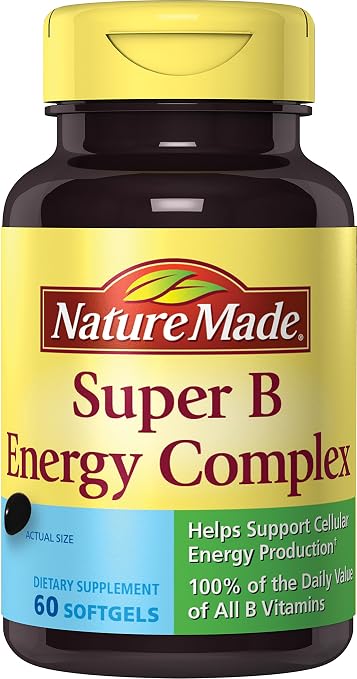
Nature Made Super B Complex Full Strength Softgel, 60 Count (Packaging may vary)

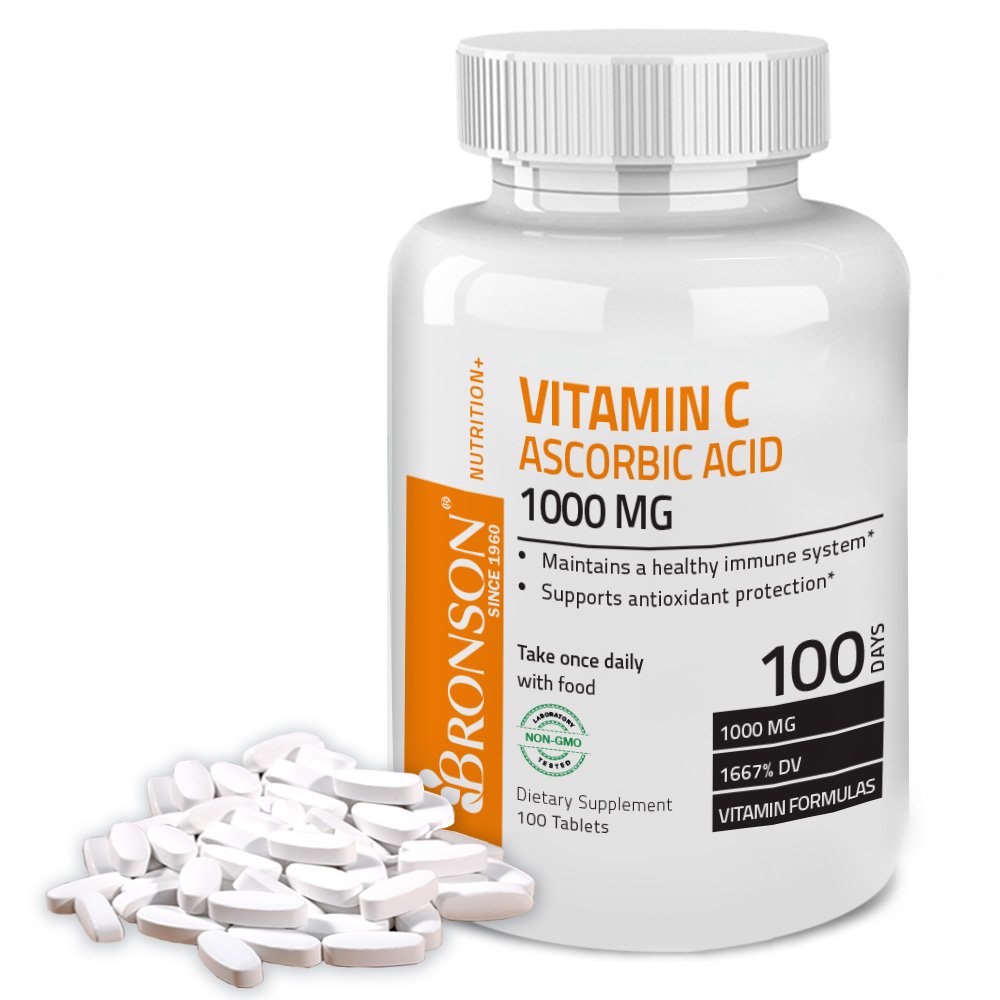
Vitamin C

Vitamin C lowers your sorbitol levels, the sugar that collects in and damage cells in the eyes, kidneys, and nerves. . Recommended Daily Levels: 1,000 mg of vitamin C daily.
 

Vitamin D

Vitamin D activates the genes responsible that boosts your production of antimicrobial peptides called cathelicidins. These are vital because they destroy viruses, bacteria, and other germs. Diabetics are more prone to infections due to diabetic ulcers and periodontal disease. Optimal levels of this fat-soluble vitamin is important. Recommended Daily: Levels: 2,000 IU of supplemental vitamin D (as cholecalciferol or D3)
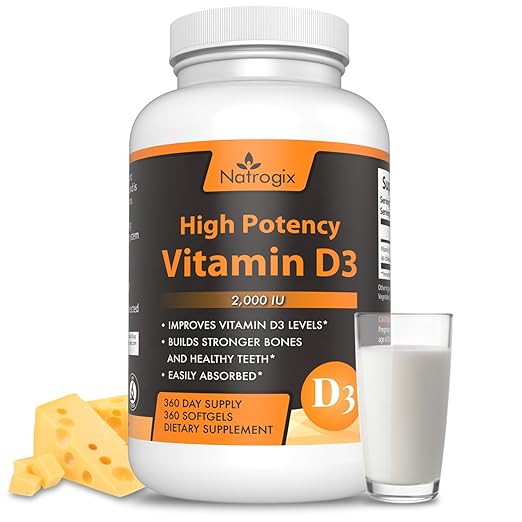
 

Natrogix Vitamin D3 2000 IU, 360 Softgels

Vitamin E

Vitamin E is the body’s front line for fat-soluble antioxidants which supports healthy blood sugar levels. Protects blood vessels and nerves from free radical damage, which is accelerated by diabetes. Vitamin E in high doses have been shown to even reverse damage to nerves caused by diabetes, protecting against diabetic cataracts and atherosclerosis. Recommended Daily Dose (everyone, regardless of health status): 200 IU of vitamin E every day.

It's recommend you avoid synthetic vitamin E is listed as dl-alpha-tocopherol or dl-alpha tocopheryl (note the “l”). Natural vitamin E is listed as d-alpha-tocopherol or d-alpha-tocopheryl.
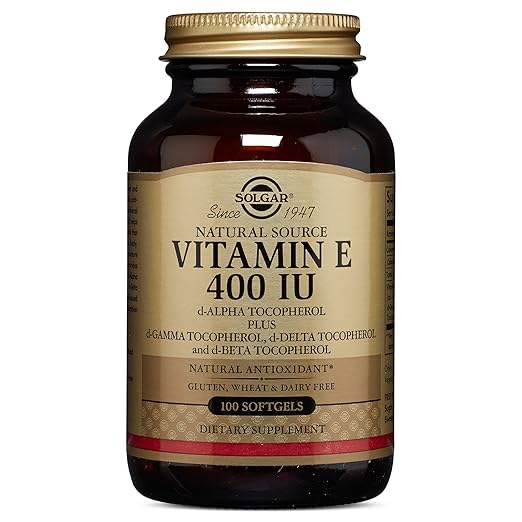
 

Solgar - Vitamin E 400 IU Mixed Softgels (400 IU d-Alpha Tocopherol & Mixed Tocopherols) 100 Count

Magnesium

This crucial mineral is for energy production and protein synthesis, cellular replication and DNA production. Also shown to decrease insulin resistance, which assists in keeping healthy blood sugar levels in check. Recommended Daily Dose: 500–1,000 mg of magnesium daily.
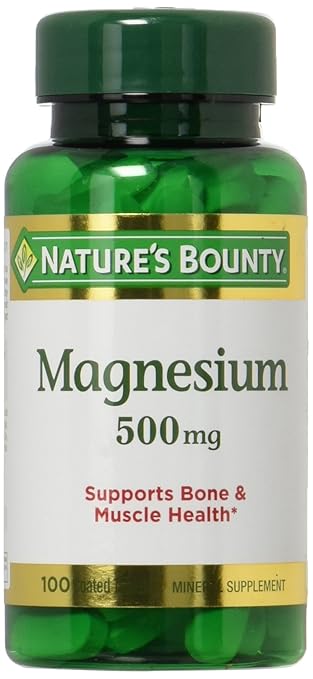
 

Nature's Bounty High Potency Magnesium 500mg, 200 Tablets (2 X 100 Count Bottles)


Vanadyl Sulfate

Vanadyl sulfate mimics insulin in the body and helps maintain healthy blood sugar levels. Recommended Daily Dose: 100 mg daily.
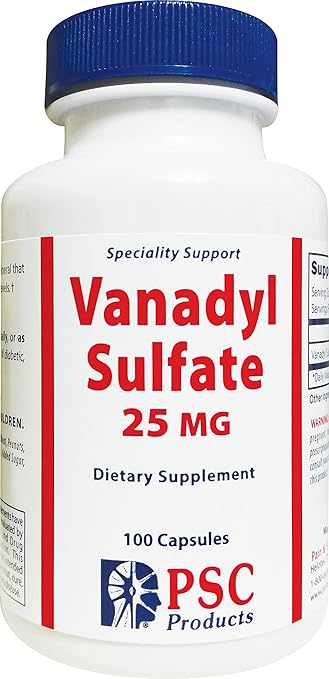
Vanadyl Sulfate 25mg

Chromium

This trace mineral improves the implementation of insulin and assists in moving glucose and other nutrients into the cells. Will not cause the body to make more insulin—just help it work better.

Backed by 15 well-controlled clinical trials have shown that this mineral improves glucose metabolism. Recommended Daily Dose: 200–400 mcg of chromium picolinate daily.
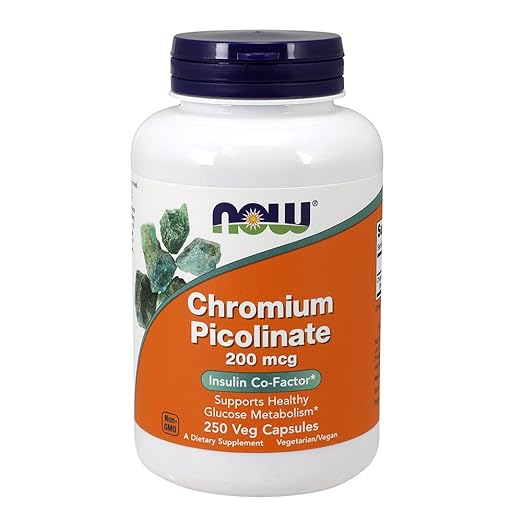
NOW Chromium Picolinate 200 mcg,250 Veg Capsules


Berberine

A plant alkaloid that targets AMP-activated protein kinase (AMPK). AMPK is a very basic regulator of metabolism present in both plants and animals. It stimulates the uptake of glucose into the cells, improves insulin sensitivity, and reduces glucose production in the liver, which is in overdrive in diabetic patients. Recommended Daily Dose: 1,500 mg of berberine daily.

 

Intelligent Labs Berberine HCL Plus, 500mg each, 120 Capsules

Purslane

A plant that Americans generally consider to be a weed, (Portulaca oleracea) while   Europeans and Asians love to eat it. It's health benefit is its ability to help lower blood sugar naturally.

Portusana, a patented extract, increases insulin sensitivity, enhances glucose uptake into the cells, and slows the transport of glucose from the intestines into the blood. Recommended Daily Dose:  180 mg of purslane daily.
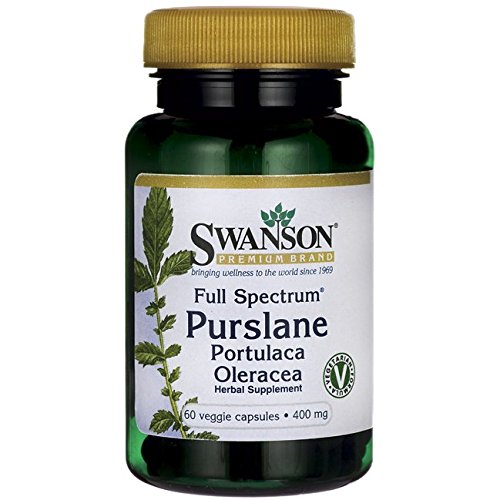
 

Swanson Full Spectrum Purslane 400 mg 60 Veg Caps

Gymnema Sylvestre

An extract from the leaves of  a climbing plant indigenous to the forests of central and south India. The leaves contain gymnemic acids, which slows the transport of glucose from the intestines to the bloodstream, heloing the body maintain healthy blood sugar levels. Recommended Daily Dose:  400 mg of Gymnema sylvestre daily.
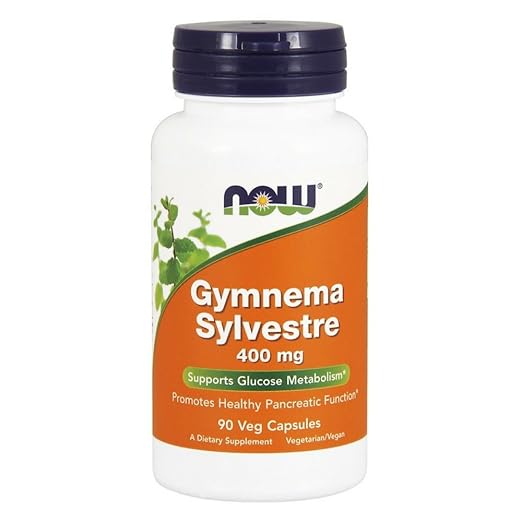
 

NOW Gymnema Sylvestre 400 mg,90 Veg Capsules


Banaba Leaf Extract

This leaf extract (Lagestroemia speciosa L.) comes from Asia and contains corosolic acid which promotes glucose transport into cells, keeping blood sugar levels even. Recommended Daily Dose: 3 mg of banaba leaf daily.

Swanson High Potency Banaba Extract 2% Corosolic Acid 60 mg 90 Caps


Pterocarpus Marsupium

This extract (aka Indian kino tree extract) comes from the bark and wood of a tree. It's been used for quite some time in Ayurveda, which is the traditional medicinal system of India. The flavonoids (epicatechin and pterostilbene) promote insulin sensitivity, improve the body’s ability to transport sugar from the bloodstream into the cells, and also help blood sugar maintain healthy levels. Recommended Daily Dose: 450 mg of a standardized extract of Pterocarpus marsupium per day.
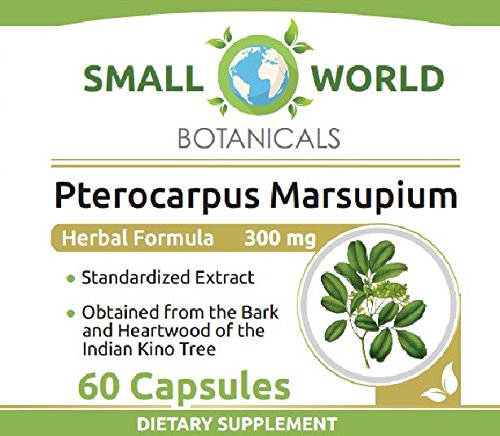
Pterocarpus Marsupium / Premium Silbinol® Extract - 300 mg Capsules - 60 Capsules per bottle


Talk to your doctor before using herbal products

Because herbs have strong medicinal effects on the body, they can interact with some drugs in ways that can be dangerous to your health. If you are taking any medication (prescription or over-the-counter), talk to your doctor before using herbal products.


Post Source Here: Powerful Natural Ways For Balancing Your Blood Sugar

Sunday, July 23, 2017

Health And Fitness And What’s Working Now

Everybody is looking for that magic elixir. That one single thing that's going to reverse countless years of mass carbohydrate binging and soda orgies.


What ends up happening is most try one thing or another and don't see the results they are looking for within the first week and quickly move on to something else. Or maybe nothing. Just go back to their old ways.


Weight loss and health maintenance is a lifestyle change and requires the rewiring of the brain to achieve the desired results.


I'm going to pass along what is working now and where all the buzz is, but want to point out why most initiatives don't stick.

In order to change a major lifestyle habit, two things need to occur. Your habits "physically" need to change, and your habits on how you "think" need to change. You know, that inner dialogue you have with yourself. It tells you that you can or can't do something. It also keeps you on the straight and narrow. It's your conscience.


Change the "I can't" to "I can". You are going to have to have the inner fortitude to turn down those donuts that somebody brought in to work that day.


“Whether you think you can or whether you think you can't, you're right.”

Henry Ford


I bumped into some good reading on the Health.com website that covered trends happening right now in the health and fitness arena and wanted to share. Pick something out that works with your schedule, something that you know you can stick out.

The Top 20 Fitness Trends For 2017

By Julia Naftulin


Your body will thank you, and the compliments you'll start to receive once the pounds start melting away will fortify your confidence to maintain your new lifestyle.


Wearable technology: Garmin, Apple, and Fitbit have sent the trend to number one for the foreseeable future.

Get Wearable Technology Here


Body weight training: body weight exercises are an efficient way to get fit for free and do not require any equipment.

You Are Your Own Gym: The Bible of Bodyweight Exercises Paperback


HIIT: High-intensity interval training. Its a series of alternating quick bursts of high-intensity exercise with short rest periods.

High Intensity Interval Training (Idiot's Guides) Paperback


Educated, certified, and experienced fitness professionals: an explosion in interest to become certified while college and university introduce programs, there's been 250 known third-party certification organizations committed to teaching personal trainers best practices.

NASM Study Guide 2017-2018: Personal Fitness Training Prep Book


Strength training: helps burn more fat and boost metabolism while protecting against diabetes, back pain, and more.

Starting Strength: Basic Barbell Training, 3rd edition Paperback


Group training: folks getting togther by using services like ClassPass and ultimately replacing costly gym memberships altogether.

The Trainer's Big Book of Bootcamps: Ready-Made Workouts for Your Bootcamp or Group Fitness Class


Yoga: ancient practice that's tried and true.

The Yoga Bible Paperback


Outdoor activities: kayaking, cricket, high-adventure excursions like camping and rock climbing.

Camping America's Guide to Free and Low-Cost Campgrounds


Fexibility and mobility rollers: improve circulation and relieve muscle tension.

Foam Rolling: Foam Roller Exercises, Self-Massage, Trigger Point Therapy

See Full Article Here Here: Health And Fitness And What’s Working Now

Saturday, May 13, 2017

HOW NOT TO DIE, an instant New York Times Best Seller

Want to know the best plan for eating foods that will prevent and reverse many of the causes of disease-related deaths?


Well a Doctor that has a pretty good resume has put together a study and published it. The study details how tweeks in lifestyle and nutrition can sometimes achieve more than prescription pills ultimately freeing ourselves up to live healthier lives.


The physician behind the popular website NutritionFacts.org has a new book out titled:  How Not to Die. Backed by science, he has compiled which foods to eat and which lifestyle changes to make to live longer.


The following is taken from the web site about the book HOW NOT TO DIE, written by Michael Greger, M.D.

The vast majority of premature deaths can be prevented through simple changes in diet and lifestyle. In How Not to Die, Dr. Michael Greger, the internationally-recognized lecturer, physician, and founder of NutritionFacts.org, examines the fifteen top causes of death in America—heart disease, various cancers, diabetes, Parkinson’s, high blood pressure, and more—and explains how nutritional and lifestyle interventions can sometimes trump prescription pills and other pharmaceutical and surgical approaches, freeing us to live healthier lives.

https://youtu.be/HXGkk7UI-Ys

The simple truth is that most doctors are good at treating acute illnesses but bad at preventing chronic disease. The 15 leading causes of death claim the lives of 1.6 million Americans annually. This doesn’t have to be the case. By following Dr. Greger’s advice, all of it backed up by peer-reviewed scientific evidence, you will learn which foods to eat and which lifestyle changes to make to live longer.


History of prostate cancer in your family? Put down that glass of milk and add flaxseed to your diet. Have high blood pressure? Hibiscus tea can work better than a leading hypertensive drug—and without the side effects. What about liver disease? Drinking coffee can reduce liver inflammation. Battling breast cancer? Consuming soy is associated with prolonged survival. Worried about heart disease (our #1 killer)? Switch to a whole-food, plant-based diet, which has been repeatedly shown not just to help prevent the disease, but arrest and even reverse it.


In addition to showing what to eat to help prevent the top 15 causes of death, How Not to Die includes Dr. Greger’s Daily Dozen—a checklist of the foods we should try to consume every day. Full of practical, actionable advice and surprising, cutting edge nutritional science, these doctor’s orders are just what we need to live longer, healthier lives.

Tap Book Cover To Learn More

All proceeds Dr. Greger receives from all book sales are donated to the 501c3 nonprofit charity NutritionFacts.org.

Amazon Editorial Reviews

Review

The news that a plant-based diet is the healthiest way to eat is spreading. Dr. Michael Greger presents the groundbreaking science on how simple plant-based food choices help us live healthier and happier lives. Dr. Greger describes which foods to eat to prevent the leading causes of disease-related death and shows how a diet based on fruits, vegetables, tubers, whole grains, and legumes might even save your life.--Brian Wendel, Founder and President of FORKS OVER KNIVES

A new way of looking at nutrition and health. Michael Greger shows people how to save their own lives.--Rip Esselstyn, author of THE ENGINE 2 DIET

Finally a physician has pulled together the latest scientific studies on how to fight disease and prolong life. "How Not To Die" shows how the right nutrition prevents disease and transforms our genes so we can live healthier, longer. Empowering, groundbreaking, transformative work.--Kathy Freston, author of QUANTUM WELLNESS and THE LEAN

Michael Greger, M.D. scours the world's scholarly literature on nutrition for the most interesting, groundbreaking and practical new research. His work at NutritionFacts.org and in HOW NOT TO DIE features the latest science on nutrition and health to show how to treat and prevent disease.--Joel Fuhrman, M.D., author of EAT TO LIVE

Michael Greger, M.D. scours the world's scholarly literature on nutrition for the most interesting, groundbreaking and practical new research. His work at NutritionFacts.org and in HOW NOT TO DIE features the latest science on nutrition and health to show how to treat and prevent disease. Joel Fuhrman, M.D., author of EAT TO LIVE

The news that a plant-based diet is the healthiest way to eat is spreading. Dr. Michael Greger presents the groundbreaking science on how simple plant-based food choices help us live healthier and happier lives. Dr. Greger describes which foods to eat to prevent the leading causes of disease-related death and shows how a diet based on fruits, vegetables, tubers, whole grains, and legumes might even save your life. Brian Wendel, Founder and President of FORKS OVER KNIVES

A new way of looking at nutrition and health. Michael Greger shows people how to save their own lives. Rip Esselstyn, author of THE ENGINE 2 DIET

Finally a physician has pulled together the latest scientific studies on how to fight disease and prolong life. "How Not To Die" shows how the right nutrition prevents disease and transforms our genes so we can live healthier, longer. Empowering, groundbreaking, transformative work. Kathy Freston, author of QUANTUM WELLNESS and THE LEAN

Stop whatever you're doing and buy this book. Not only does Dr. Michael Greger drop a metric f*ckton of evidence that a plant-based diet will save your damn life, he lays out the blueprint to make it happen. Dr. Greger shows us how regular folks can eat well and not get taken down by some totally preventable bullsh*t. "Thug Kitchen"

"An absolute rhapsody of informational wisdom on how to achieve a life of health and longevity without disease."--Caldwell B. Esselstyn, Jr. M.D., author of "Prevent and Reverse Heart Disease"

""How Not To Die "is one of the most important books on health ever written. Dr. Greger shows us how to prevent and sometimes reverse all the major diseases that are killing us. We have the genetic potential to live disease free lives full of health and vitality until we are past 100. This book is the scientific road map we need to do exactly that." --John Mackey, CEO of Whole Foods Market

"An absolute rhapsody of informational wisdom on how to achieve a life of health and longevity without disease."--Caldwell B. Esselstyn, Jr. M.D., author of "Prevent and Reverse Heart Disease"

""How Not To Die" is one of the most important books on health ever written. Dr. Greger shows us how to prevent and sometimes reverse all the major diseases that are killing us. We have the genetic potential to live disease free lives full of health and vitality until we are past 100. This book is the scientific road map we need to do exactly that." --John Mackey, CEO of Whole Foods Markets

"Absolutely the best book I've read on nutrition and diet."

--Dan Buettner, author of "The Blue Zones Solution"

"Meticulously well-documented, Greger's guidebook provides evidence on everything from the pesticide-Parkinson's connection to the role of antioxidants in breast cancer prevention. Gerger also offers up friendly tips, like his favorite smoothie recipe and a turmeric tutorial. Follow his advice and you may not live forever, but you'll almost certainly live a healthier life." --BookPage

"This book brims with valuable insights. Dr Greger tends to rely on the gold standard of medical research randomised controlled trials rather than the latest fads. Vegetarian or not, this book is a great way to improve your diet."--Financial Times

The primary determinant of our health and well-being is what we eat and how we live. In this extraordinary and empowering book, Dr. Michael Greger explains why. Highly recommended.--Dean Ornish, M.D., author of "The Spectrum" and "Dr. Dean Ornish s Program for Reversing Heart Disease""

See Full Article Here Here: HOW NOT TO DIE, an instant New York Times Best Seller

Thursday, April 6, 2017

BEING OVERWEIGHT AT ANY POINT IN ADULTHOOD INCREASES RISK FOR DEATH

Can there be a link between your mortality and any previous weight issue you had in the past. Say a weight issue you have subsequently beat. Like loosing a lot of weight and now and you are slim?

A study out of Boston University School of Public Health and the Harvard T.H Chan School of Public Health seem to think so. They studied mortality rates for almost a quarter million people over 16 years and came up with these findings.

Science Daily: Being overweight at any point in adulthood increases risk for death.

Summary: People who are obese or overweight at some point in their adult lives have an elevated risk of death from cardiovascular disease, cancer and other causes. Analyzing weight history over a period of time, rather than at a single point, reversed the paradoxical association between excess weight and reduced mortality that had been seen in previous studies.

Researchers from the Boston University School of Public Health and the Harvard T.H Chan School of Public Health sought to investigate the relationship between maximum BMI (body mass index) over time and subsequent mortality. The researchers assessed maximum BMI for more than 225,000 participants across 16 years of weight history in three large prospective studies and then examined deaths that occurred within an average of 12 years of follow-up. The analysis found that people with a maximum BMI in the overweight or obese categories were at elevated risk for all-cause death, as well as death from cardiovascular disease, cancer and respiratory disease. The highest risk for death occurred among participants who had significant drops in weight, which the authors said most likely reflected unintentional weight loss caused by illness.

Body Mass Index Chart

Prior studies contesting the obesity paradox have been criticized by some researchers for restricting their samples to small percentages of the total in an effort to reduce biases related to lower weight that results from chronic diseases or smoking. The researchers noted that most participants were white and highly educated, so the results may not apply to more diverse populations.

Either way, that should definitely not mean you should throw your diet out the window, or that your efforts you went through to drop those pounds were for naught.

With about 30% of people all over the world either overweight or obese, this is a serious health concern. I wrote on the The Importance of Calories here and how to identify a good target Basal Metabolic Rate to determine your calorie consumption.

Here are a few ways to quit one the hardest habits when loosing weight which is getting off sugar.

Liz Moody the senior food editor at Mind Body Green writes: 11 Foods That'll Stop Your Sugar Craving In Its Tracks

1. Chia seeds: Chia can absorb up to 10 times their own weight in liquid, so they make you feel full quickly. This seed will help prevent overeating and snacking.

2. Spirulina: Spirulina is a superfood is so many ways, especially in regards to cravings. It is the most digestible protein that quickly satisfies hunger. It also delivers a variety of vitamins and minerals that help your body make more energy.

3. Coconut oil: Coconut oil has a slightly sweet taste. It slows down the release of glucose into the blood, which gives you a longer feeling of satisfaction.

4. Flaxseeds: Ground flaxseeds contain fiber, which helps you feel fuller longer. They can also reduce candida symptoms, which is a major cause of sugar cravings.

5. Bee pollen: Bee pollen gives you a natural energetic boost. It contains L-glutamine, which is a key nutrient in helping to reduce sugar cravings and stabilizing blood sugar.

6. Quinoa: Quinoa contains the mineral magnesium. A deficiency in magnesium might the be reason you have sugar cravings in the first place!

7. Garlic: Garlic is a great palate distraction. If you crave sugar, try eating a meal with garlic and wait for 30 minutes before reaching for sweets.

8. Poppy seeds: Poppy seeds contain zinc. A deficiency in this mineral can lead to sugar cravings. Sprinkle on Greek yogurt for a satisfying snack.

9. Salmon: Salmon is rich in glutamine, an amino acid that helps reduce cravings for sugar and carbohydrates. Glutamine has stabilizing effects on blood sugar levels.

10. Nutritional yeast: Nutritional yeast is an excellent source of protein and B vitamins, which will help balance out blood sugar and help reduce cravings.

11. Sea salt: Unrefined salt contains trace elements and minerals necessary for optimal health including magnesium, which moderates blood glucose levels.


Source Here: BEING OVERWEIGHT AT ANY POINT IN ADULTHOOD INCREASES RISK FOR DEATH

Tuesday, April 4, 2017

Two Critical Things May Be Making It Impossible For You To Lose The Weight


Watch on YouTube here: Two Critical Things May Be Making It Impossible For You To Lose The Weight
Via https://www.youtube.com/channel/UCcZImr64sN4bR4BB_JA82vg/videos

Two Critical Things May Be Making It Impossible For You To Lose The Weight

Are you stuck? Does it seem like no matter what you do, you're not able to see any momentum when losing weight?

It may not be your habits per se, but your physiology or body make up. What if you could change your body make up to kick start your weight loss?

Well you can and here are two things you can do immediately in order to see the progress you deserve. These two areas are most often overlooked and can play a vital roll in your over all health and ability to lose those extra pounds.

The Daily Mail recently published information related to some recent confirmations in their article How everything from painkillers, fizzy drinks and low-carb diets are stopping you from shedding the pounds and leaving you bloated

Research published in the International Journal of Obesity found that people who have a stable weight, or who lose weight, have a larger number of different types of microbes in their guts, eat more fibre and have a higher abundance of certain types of gut microbes.

And if bloating and/or poor digestion plague your life, then these bugs are most likely to blame too.

'A growing body of research suggests that having the right balance of probiotic [good] bacteria gut in the gut is important for health' says Arthur Ouwehand, professor of microbiology and an expert in probiotics, from the University of Turku, Finland.

GETTING THE BALANCE RIGHT
What's crucial is that our gut microbiota is in a state of balance - between so-called 'good' and 'bad' bacteria – but many things can knock it out of kilter.
'The balance of bacteria in our gut can be easily upset by a number of factors including stress, poor diet, illness and drugs such as antibiotics,' says Dr Ouwehand.

THE KEY OFFENDERS

*Antibiotics
While antibiotics kill the 'bad' bacteria that cause infections, they also destroy the 'good' bacteria in our bodies.

This can lead to further health problems such as thrush and gut issues such as bloating and constipation.

'It's important to begin taking probiotics from the moment you start antibiotics and continue for a few weeks after finishing the course,' says Professor Ouwehand,

'Take the probiotic between one or two hours after the antibiotic to get the most benefit.'

*Low-carb diets
Dr Ouwehand believes the current craze for low-carb diets may have a negative effect on our gut bacteria because they starve the bacteria of food which they need to grow and thrive.

Research carried out at the University of Copenhagen found that almost a quarter of people on these diets had 40 per cent fewer 'good' bacteria than are normally found in a healthy gut.

Processed food, high-sugar diets

Modern diets are full of processed foods which are often transported and stored for lengthy periods of time, says Dr Arroll. They also lack the dietary fibre that we used to consumed half a century ago.

Research in mice has shown that after just one day, a diet high in fat and sugar and low in fibre changed the composition of the microbiota in mice.

And in humans, children from rural Africa who have a diet very high in fibre have been shown to have a more diverse microbiota than children from urban areas of Europe (where the fibre intake is lower).

A poor diet rich in sugary or processed foods can cause good bacteria in your gut to become weakened, she adds.

'You basically provide an all-you-can-eat buffet for bad bugs to thrive on and take over.

'And a build-up of bad bacteria may result in health problems such as food allergies, yeast infections or inflammatory bowel disease.'

*Diet drinks
Artificial sweeteners are the most commonly used food additives in the world.

They provide a sweet taste without the calories and so are added to diet food and drinks.

But, there has been a huge jump in the use of artificial sweeteners in the past century, which coincides with the rise in obesity and diabetes.

Israeli researchers have found that sweetener use led to an imbalanced microbiota. This in turn raised the risk of glucose intolerance and other changes associated with both diabetes and obesity.

*Painkillers
Non-steroidal anti-inflammatory drugs (NSAID) such as aspirin and ibuprofen may also be playing havoc with your gut microbiota. In a study published in the British Journal of Nutrition, older adults who did not use this type of medication had higher numbers of the good type of bacteria Lactobacillus in their guts.

*Stress
The gut and brain are connected via the brain-gut axis – the biochemical signalling that takes place between the gut and the nervous system, which plays an important role in healthy brain function.

Research has shown that exposure to stressful situations can disrupt the balance of bacteria, says Dr Arroll.

But we're also starting to understand this can go the other way, too – that a healthy and diverse gut microbiota can (in mice at least for now) help with the stress response.

By influencing the balance and types of bacteria in the gut, studies show it may even be possible to lower stress and boost mood.

Use relaxation techniques to reduce stress and protect the gut microbiota,' advises Dr Arroll.

The second area of concern when it comes to not getting any traction losing weight is a possible resistance to the hormone leptin that tells our bodies we are full after eating. So if you are active and eat like a pauper, then it may be your body's chemistry is out of whack.

https://youtu.be/MXYYPkBOJNE

Dr. William Cole at Mind Body Green recently detailed some things you can do if you think you may be suffering from leptin resistance in his article Is Leptin Resistance Making You Exhausted & Causing Your Weight Gain? Here's What To Do.

If you answer "yes" to more than one of these, I suggest finding out if you are leptin resistant.

  1. Is it difficult for you to lose weight?
  2. When you go on a diet, can you drop some pounds but still look flabby?
  3. Do you hold onto weight in your midsection, no matter how much you try to lose it?
  4. Do you have trouble keeping weight off?
  5. Are you constantly hungry?
  6. Do you crave sugary foods and get "hangry" if you don't get your fix?
  7. Are you stressed out a lot?
  8. Do you have high triglycerides?
  9. Do you have high blood pressure?

Your leptin resistance reversal guide:

1. Find out for sure.

I run a simple blood test to measure leptin levels. Optimal fasting leptin levels should be 4 to 6 ng/dL. The reason why this lab is not commonly run in mainstream medicine? There's no medication for it. If there was—believe me—everyone would be tested for high leptin.

2. Clean up your sleep habits.

DVR Jimmy Fallon, turn off your smartphone, and get yourself to bed! People with poor sleep habits and subsequent altered circadian rhythms have increased rates of leptin resistance.

3. Don't eat too late.

For better leptin balance, avoid the late-night snacks. Eating after 8 p.m. has been associated with higher leptin levels and weight gain in various research studies.

4. Calm your life.

Stress is no bueno for your health in so many ways, but high levels of stress and cortisol definitely increase leptin—another reason to bring some mindfulness and self-care into your life. You can thank me later.

5. Get your omegas.

A healthy intake of omega fats from wild-caught fish is one of the best ways to balance out leptin levels. Plant-based omega fats such as flax oil can also be fine to bring into your routine, but the bioavailability can be low for people struggling with leptin resistance.

6. Calm your inflammation.

Since inflammation is one of the main factors in leptin resistance, bring anti-inflammatory foods into your routine. Try out my one-day diet to start balancing out inflammation levels.

So be sure you are eating the proper foods, getting enough exercise and rest. If that doesn't seem to be working, here are another few things to look at to make sure your body's physiology is in sync.

Learn More Here: Two Critical Things May Be Making It Impossible For You To Lose The Weight

Thursday, March 30, 2017

Eat Healthy On The Cheap. Two Things You Must Do.

A new study has found that adults who don't flip on the TV during dinner and eat home-cooked meals are less likely to be obese.

The study revealed those never watching TV or videos had a significantly lower occurrence of obesity when compared to those who watched something during mealtimes on a regular basis. Most struggle with trying to lose weight, or have tried with little to no success. Studies show with behavior modifications, weight loss can become a reality.

The study appeared in the Journal of the Academy of Nutrition and Dietetics.

How often a family eats though didn't appear to be a major factor.

A report from Science Daily called "Cooking Family Meals, Skipping TV During Those Meals Linked To Lower Odds Of Obesity", reports potential benefits from turning off the boob tube while eating.

"How often you are eating family meals may not be the most important thing. It could be that what you are doing during these meals matters more," said lead author Rachel Tumin, survey and population health analyst manager at the Ohio Colleges of Medicine Government Resource Center.

"This highlights the importance of thinking critically about what is going on during those meals, and whether there might be opportunities to turn the TV off or do more of your own food preparation," said Tumin, who conducted the study as part of her PhD dissertation with senior author Sarah Anderson, associate professor of epidemiology in Ohio State's College of Public Health.

It suggests the frequency of meals has a lesser impact than the structure of the meals.

"Obesity was as common in adults who ate family meals one or two days a week as it was in those who ate family meals every day. Regardless of family meal frequency, obesity was less common when meals were eaten with the television off and when meals were cooked at home," she said.

Tumin and Anderson's analysis found the lowest odds of obesity for those adults who engaged in both healthy practices -- eating home-cooked food and doing it without a TV or video on -- every time they ate a family meal.

The data come from the 2012 Ohio Medicaid Assessment Survey, a telephone survey of Ohioans. Included in the study were 12,842 survey participants who said that they ate at least one family meal in the week prior to their interview. Obesity was defined as a body mass index at or above 30, calculated from self-reported height and weight measures collected in the survey.

More than half of participants reported eating family meals on most days, 35 percent on some days and 13 percent on few days per week. One third of the study participants were obese. About a third watched TV or videos most of the time during family meals and 36 percent said they never did.

The results held up after the researchers took into account other differences in the study population, including employment status, whether they were married, race, education and age. Because it was based on a survey of current behavior and weight, the study does not offer evidence of a cause-and-effect relationship between meal habits and weight.

The American Journal of Preventive Medicine concluded cooking at home is associated with a better diet quality. The study focused on the Healthy Eating Index (HEI) of people that ate out vs. those that ate home cooked meals.

Cooking at Home: A Strategy to Comply With U.S. Dietary Guidelines at No Extra Cost

Conclusions

Home-cooked dinners were associated with greater dietary guideline compliance, without significant increase in food expenditures. By contrast, frequent eating out was associated with higher expenditures and lower compliance.

Article Source Here: Eat Healthy On The Cheap. Two Things You Must Do.